
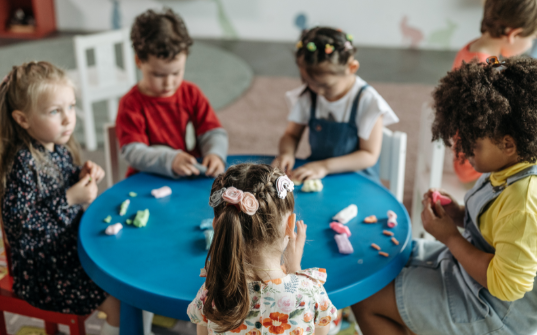
In today’s globalised world, creating inclusive environments in early childhood education is crucial. Inclusive classrooms celebrate diversity, promote equality, and prepare children for a multicultural society. This article explores five key aspects of inclusive classrooms in preschools and childcare centres.
Creating a Welcoming Environment
The foundation of an inclusive classroom starts with creating a welcoming atmosphere for all children and families. This involves more than just physical accessibility; it’s about fostering a sense of belonging.
In Singapore, preschools are increasingly recognising the importance of inclusive environments. The best preschool in Singapore offers will typically feature:
- Multicultural decorations and materials
- Diverse representation in books and toys
- Multilingual signage and resources
These elements help children see themselves and their families reflected in their learning environment, promoting a sense of belonging and self-worth.
Adapting Curriculum and Teaching Methods
An inclusive classroom adapts its curriculum and teaching methods to meet the diverse needs of all learners. This approach recognises that children have different learning styles, abilities, and backgrounds.
Strategies for adapting the curriculum include:
- Using visual aids to support verbal instructions
- Incorporating hands-on learning experiences
- Providing multiple ways for children to demonstrate their understanding
By offering various learning pathways, educators ensure that every child has the opportunity to succeed, regardless of their individual needs or learning style.
Promoting Cultural Awareness and Respect
Inclusive classrooms actively promote cultural awareness and respect among children. This goes beyond celebrating cultural holidays to integrating diverse perspectives into daily learning experiences.
Activities that promote cultural awareness include:
- Storytelling from different cultural traditions
- Exploring world music and dance
- Cooking and sharing foods from various cultures
These experiences help children develop empathy, respect for differences, and a broader worldview from an early age.
Supporting Children with Special Needs
Inclusive education means ensuring that children with special needs are fully integrated into the classroom community. This requires specialised support and adaptations to enable their full participation.
Key strategies include:
- Providing individualised support plans
- Adapting physical spaces for accessibility
- Training staff in special needs education
Many preschools in Singapore now offer integrated programmes for children with special needs, recognising the benefits of inclusive education for all children.
Engaging Families and Communities
Inclusive classrooms extend beyond the school walls to engage families and communities. This partnership approach ensures that diversity is respected and celebrated in all aspects of a child’s life.
Effective family and community engagement strategies include:
- Hosting multicultural family events
- Inviting family members to share their cultural traditions
- Collaborating with community organisations for cultural exchanges
By involving families and communities, preschools create a more comprehensive and authentic inclusive environment.
The Benefits of Inclusive Classrooms
Implementing these inclusive practices in early childhood education yields significant benefits:
Enhanced Social Skills
Children in inclusive classrooms develop stronger social skills and empathy. They learn to appreciate differences and form friendships across cultural and ability boundaries.
Improved Academic Outcomes
Research shows that inclusive education can lead to better academic outcomes for all children, including those with special needs.
Preparation for a Diverse World
Exposure to diversity from an early age prepares children to thrive in a multicultural society and global economy.
Considering Costs and Accessibility
While the benefits of inclusive education are clear, it’s important to consider the financial aspects. Preschool fees in Singapore parents pay can vary widely, with inclusive programmes sometimes requiring additional resources.
Similarly, childcare fees Singapore centres charge may reflect the level of inclusive support provided. However, many educators argue that the long-term benefits of inclusive education far outweigh the costs.
Conclusion
Creating inclusive classrooms in early childhood education is a powerful way to embrace diversity and promote equality. By implementing these strategies, preschools and childcare centres can create environments where all children feel valued, respected, and empowered to reach their full potential.
As we move towards a more inclusive society, the role of early education in shaping attitudes and behaviours cannot be overstated. Inclusive classrooms lay the foundation for a more equitable and harmonious world.
For expert guidance on creating inclusive early learning environments, contact E-Bridge Pre-School today.
